Starting a career in the beauty world is incredibly exciting, but I’ll be the first to admit that the legal side of things can feel like a total maze. I remember when I first started looking into the industry, I was so focused on learning the latest trends that the actual licensing process caught me off guard. It often feels like you need a special degree just to figure out how to work in a salon legally.
I want to simplify this for you. Getting your license is a major milestone, and while the specific rules change depending on where you live, the overall path is actually very manageable once you break it down step-by-step. I am going to walk you through how the system works so you can stop worrying about the paperwork and start focusing on your future career.
Verify the Specific Rules in Your Area (No Guessing!)
The biggest mistake I see people make is assuming that the rules in one state apply everywhere else. Every state has its own board that decides exactly what you need to do. When you are looking up cosmetology license requirements or general cosmetology requirements, you are essentially looking for the unique rulebook of your specific state.
I always suggest starting with the official state board website. You should look for details on how many training hours you need to complete, what the fees are, and the exact exam type you’ll face. For example, California requires at least 1,000 hours of instruction. Meanwhile, Virginia recently updated its rules to a 1,000-hour curriculum as well. Since these numbers can shift, checking the board directly is the only way to be certain you are following the right steps and not wasting time.
Choosing Your Training Path
There are generally two ways to get your training done.
The Traditional Beauty School Route
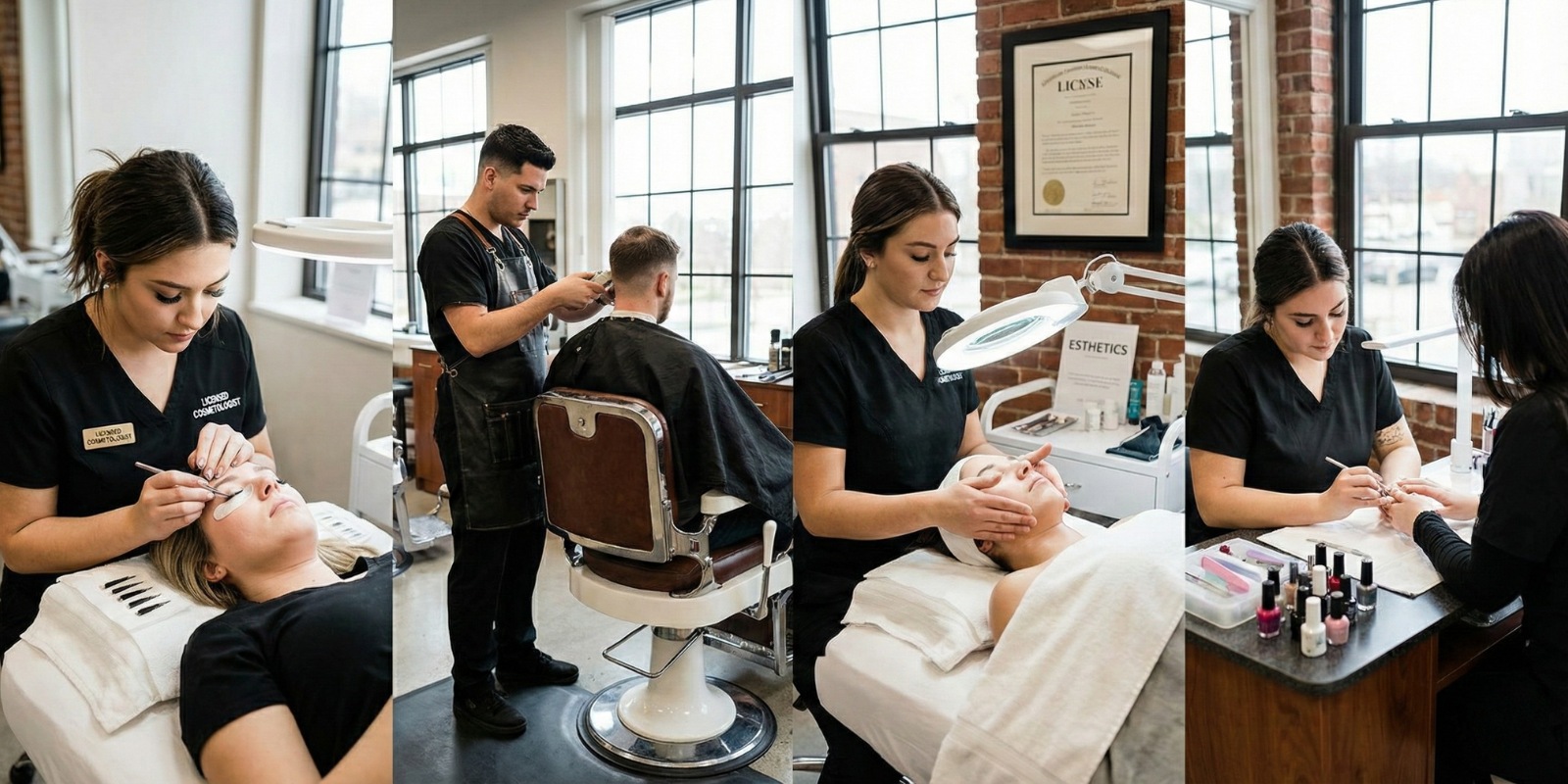
This is the path I see most students take because it provides a structured environment where you can learn everything from safety to advanced technical skills. If you choose this route, you just need to make sure the cosmetology school is approved by your state board. This ensures your hours will actually count toward your license.
The Apprenticeship Route (Licensing Without School)
I get asked all the time about how to get cosmetology license without school. In many states, you can actually get cosmetology license without school by finding a cosmetology apprenticeship. This basically means you work under a licensed professional as a mentor while also completing some classroom instruction. You can find more information about these types of registered programs through federal resources. It is a great alternative for people who prefer a hands-on environment, but you have to check if your state actually allows a cosmetology apprenticeship path before you start. You can even check California’s specific apprenticeship model or visit Apprenticeship.gov to see what’s near you.
Understanding Your Licensing Timeline
I often hear people asking how long does it take to get a cosmetology license. The answer depends on your daily schedule and how fast your state processes paperwork. If you attend school full-time, you might finish in less than a year, but part-time students will naturally take longer.
Once you finish your training hours, you also have to factor in the time it takes to get an exam date and for the state to mail your license. In California, for instance, applying online is much faster, but mailed applications can take up to eight weeks to process. I always tell people to plan for a few months of waiting after graduation just to be safe.
Managing the Costs and Financial Aid
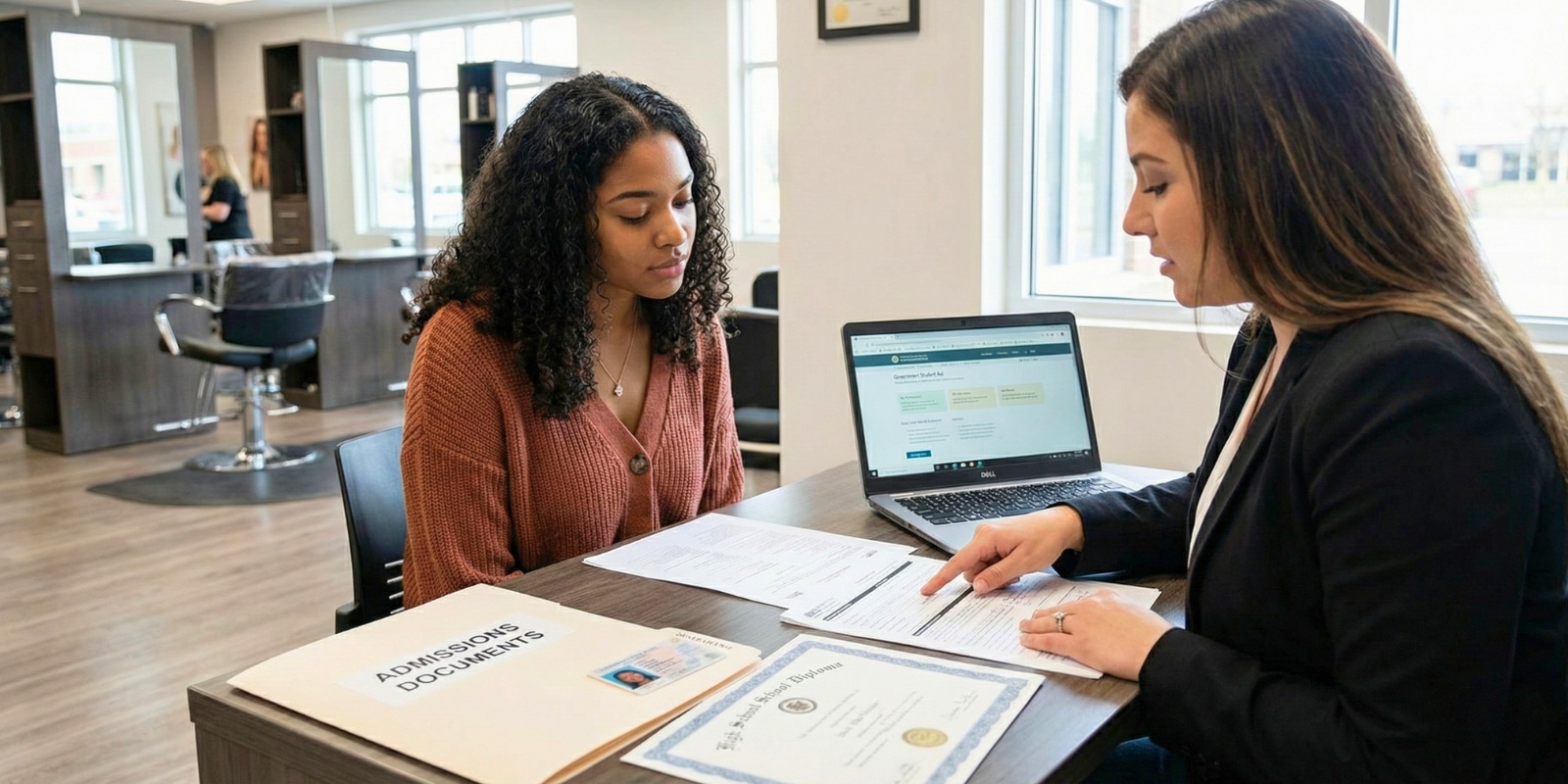
Training for a new career is an investment, and it can be stressful to figure out the finances before you are allowed to earn. You have to think about tuition, your student kit, and the various application fees.
If the school you choose is eligible, you might be able to use federal student aid. You can use the Federal Student Aid school code search to see if a specific program qualifies. If a school does not show up there, Federal Student Aid explains that they might not participate in those programs. Additionally, the IRS allows for certain tax deductions for education expenses at eligible institutions, which can help out during tax season.
The State Board Exam Process
Once your training is complete, it is time to handle the actual testing. This is the part that makes everyone nervous, but there is no need to panic. The standard flow is to finish your hours, submit your how to apply for cosmetology license paperwork, and then get approved to schedule your exam. For instance, California provides clear checklists through their board’s forms to help you stay organized.
Many states use exams developed by the NIC. They provide Candidate Information Bulletins that tell you exactly what topics the cosmetology state board exam will cover. I have found that the best way to prepare is to treat your practice sessions like a real performance. When students ask me how to pass cosmetology state board exam, I tell them to focus on the procedures. Most people do not fail because they don’t know how to do hair; they fail because they forget a sanitation step. I have seen many people on Reddit express frustration with vague study advice, so I recommend focusing strictly on the official bulletins or checking resources from Prometric if they are your exam vendor.
Keeping Your License Active
After you finally get that license, you have to maintain it. You will need your license number for job applications, booth rentals, and professional insurance. Most states have an online portal like BreEZe where you can verify your status or update your address.
You also have to stay on top of your cosmetology license renewal. Every state has a different schedule. In New York, for example, you have to renew every four years. In Texas, the renewal process is also done online. If you let it lapse for too long, like more than five years in Pennsylvania, you might have to retake the exam entirely. Florida is particularly strict, and if your license becomes null and void, you may have to show documented hardship to get it back.
Moving Between States
If you decide to move, you will need to look into a cosmetology license transfer from state to state. This is technically called applying for a cosmetology license by reciprocity. The board in your new state will check your previous training hours and exam scores. Some states, like Virginia, are working on a licensure compact to make moving easier in the future. Until that is fully active, you will need to follow the specific transfer rules of the state you are moving to, which often include official verification letters.
Special Circumstances and Eligibility
I know some people worry about personal factors like not having a social security number or having a past record. In California, the board is allowed to accept an ITIN instead of an SSN for applications. When it comes to criminal history, many states evaluate these situations on a case-by-case basis. I always suggest being honest on your application and contacting the board early if you have concerns about your eligibility.
Your Path Forward with Hogan Ice
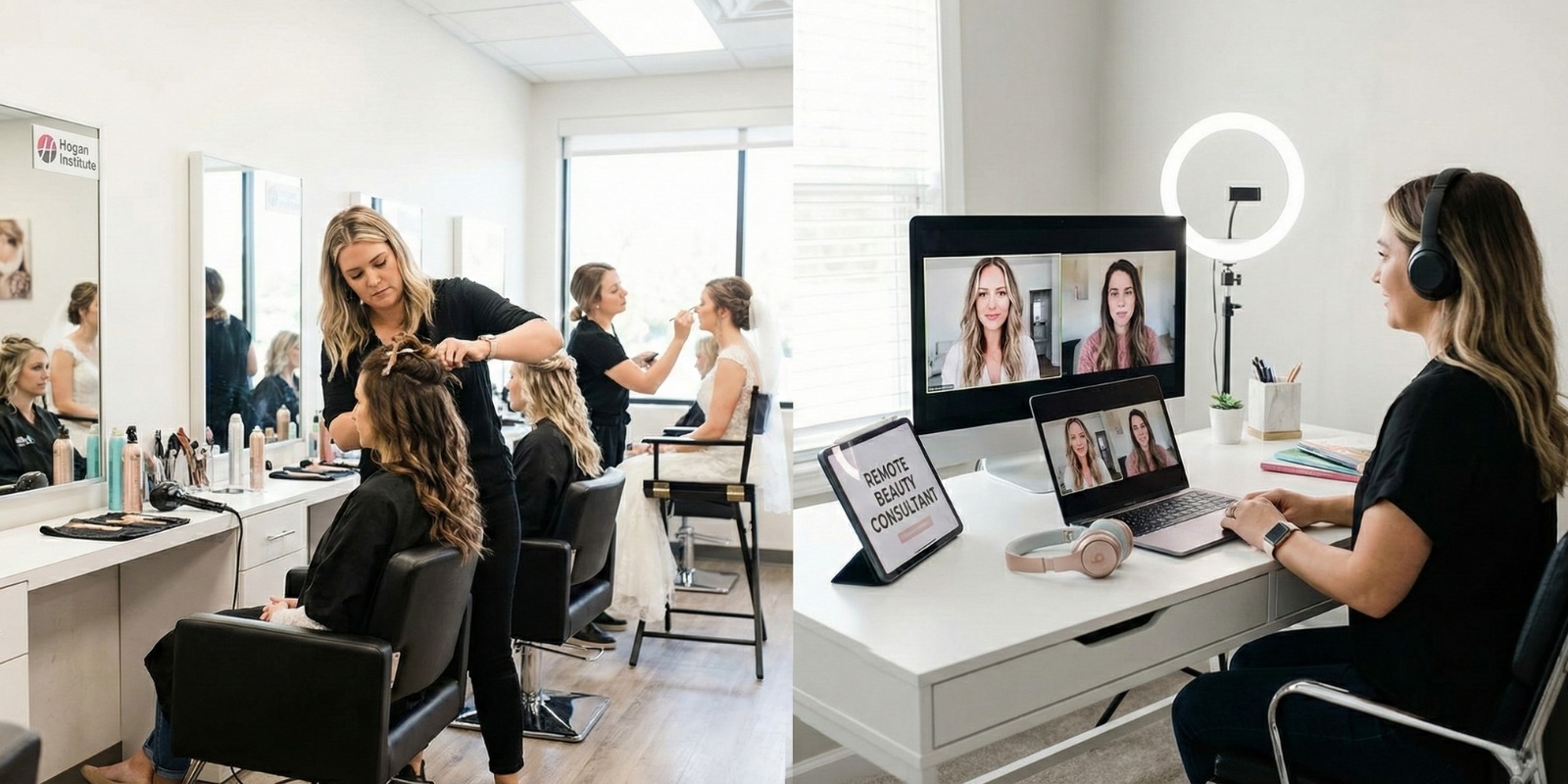
Taking the first step toward a new career is a big deal, and I want to make sure you feel supported through the whole process. At Hogan Institute of Cosmetology and Esthetics, we focus on providing the training you need to meet the strict standards of the state board while also giving you the confidence to succeed in a real-world salon environment. We know how much this career means to you, and we are dedicated to helping you navigate the journey from being a student to becoming a licensed professional.
If you are ready to learn more about how to get started, I encourage you to check out our Enrollment page. It has all the information you need to begin your application and join our community.
I also want to make sure all of your questions are answered. If you want to talk about your specific goals or see the campus for yourself, we have a contact form at the bottom of this page. Please reach out and let us know what you are looking for so we can help you take that next step.